
Navigating Returns and Exchanges: What to Know
- Dec 8, 2025
- 3 min read
When shopping for smart devices, whether it's the latest smartwatch or a smart home gadget, sometimes things don't go as planned. Maybe the device isn't quite what you expected, or it arrived with a minor defect. Understanding how to handle returns and exchanges can save you time, money, and frustration. This guide will walk you through everything you need to know about managing returns efficiently, so you can shop with confidence and ease.
Managing Returns Efficiently: Tips for a Smooth Process
Managing returns efficiently starts with knowing the store’s policies and preparing your return carefully. Here are some practical tips to help you navigate this process:
Keep your receipts and order confirmations: Always save your purchase proof. This is essential for any return or exchange.
Check the return window: Most stores have a limited time frame for returns, often 14 to 30 days. Mark this on your calendar.
Inspect the product immediately: When your smart device arrives, check it for any damage or defects right away.
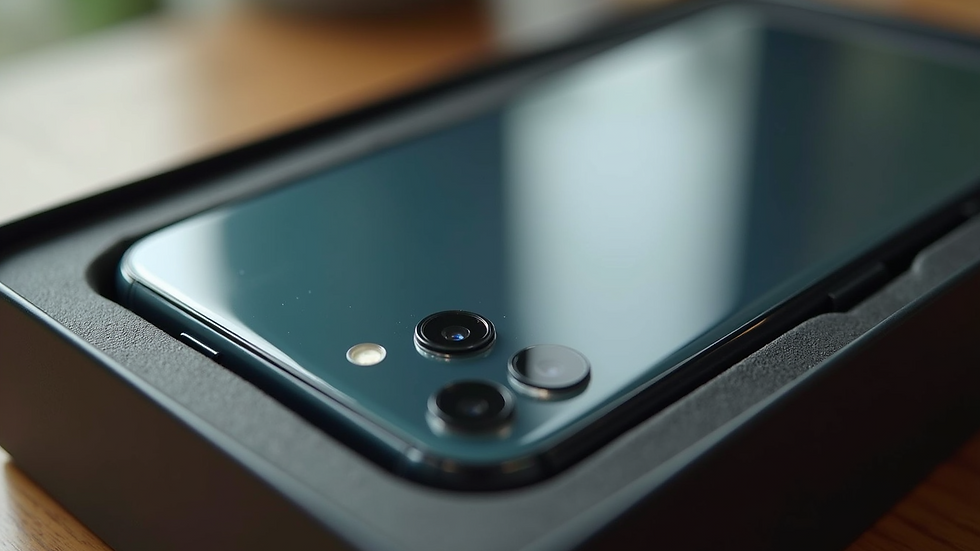
Keep original packaging: Many retailers require the product to be returned in its original box with all accessories.
Contact customer service early: If you notice a problem, reach out to the seller as soon as possible to start the return process.
By following these steps, you can avoid common pitfalls and make your return or exchange hassle-free.
Understanding Different Return Policies
Return policies can vary widely between retailers, especially when it comes to smart devices. Some key points to consider include:
Refund vs. Exchange: Some stores offer a full refund, while others may only provide an exchange or store credit.
Condition of the item: Returns usually require the item to be unused and in like-new condition.
Restocking fees: Certain retailers charge a fee for returns, especially for opened electronics.
Return shipping costs: Find out if you are responsible for paying return shipping or if the seller covers it.
For example, if you buy a smart speaker and decide it’s not right for your home, you might be able to return it for a full refund if unopened. However, if you’ve used it, the store might only offer an exchange or partial refund.
Knowing these details upfront helps you make informed decisions and avoid surprises.
What is the law of return and exchange policy?
In Ireland, consumer protection laws provide clear guidelines on returns and exchanges. The key points include:
Right to a refund: If a product is faulty, not as described, or unfit for purpose, you are entitled to a full refund, repair, or replacement.
Cooling-off period: For online purchases, you have 14 days to cancel the order and return the product without giving a reason.
Proof of purchase: You must provide evidence of the transaction, such as a receipt or order confirmation.
Exceptions: Some products, like personalized items or opened software, may not be eligible for return.
Understanding these legal rights empowers you to assert your claims confidently when dealing with retailers.

How to Prepare Your Smart Device for Return or Exchange
Preparing your smart device properly can speed up the return or exchange process. Follow these steps:
Backup your data: Save any important information stored on the device.
Factory reset: Restore the device to its original settings to protect your privacy.
Remove accessories: Take out any SIM cards, memory cards, or personal attachments.
Repackage carefully: Use the original packaging and include all accessories, manuals, and receipts.
Label the package: If returning by mail, clearly label the package with the return address and any provided return authorization number.
For example, if returning a smartwatch, make sure it’s reset and all personal data is wiped. This protects your privacy and ensures the device is ready for the next user.
How to Handle Common Return Issues
Sometimes, returns don’t go as smoothly as planned. Here’s how to handle common problems:
Missing refund: If you haven’t received your refund within the promised time, contact customer service with your order details.
Rejected return: If your return is rejected due to condition or timing, ask for a clear explanation and check your consumer rights.
Damaged during return shipping: Use tracked and insured shipping to avoid disputes over damage.
Disputes with sellers: If you cannot resolve the issue directly, consider contacting consumer protection agencies or using dispute resolution services.
Being proactive and polite can often resolve issues quickly. Keep all communication in writing for reference.
Final Thoughts on Navigating Returns and Exchanges
Navigating returns and exchanges doesn’t have to be stressful. By understanding policies, knowing your rights, and preparing your smart device properly, you can manage returns efficiently and shop with peace of mind. Remember, if you want to learn more about specific store policies, you can always check their official returns and exchanges page for detailed information.
Happy shopping and smart device hunting!


Comments